What the Cornerstone Data Center Isn't Telling You

T5 has published a page about what its Grayslake campus "gives back". Unfortunately, it raises more questions than it answers...

Nothing below disputes T5's arithmetic. Each figure is theirs. What changes is the timeframe and the wording they chose to put around it.

$1.4B+ in new local revenue over 20 years — taxes plus permit fees

What assumptions were used to calculate $70M/year? What are the other costs incurred and revenue foregone during this 20-year period? If T5 goes bankrupt sometime within the next 20 years, what is Grayslake going to do to collect property taxes? Grayslake will be left scrambling to offload millions of square feet of concrete-reinforced buildings. What is Grayslake's contingency plan if the AI bubble bursts?

Quoted from their page
Up to 1,500 new jobs in the community

"Up to 1500" jobs: Is that total for each year or total all years? Construction has already started: How many actual local construction jobs are planned for each year, including this year? How many are union and how many non-union? How many of the jobs require special skills? How many permanent jobs will this project create and how many filled by Lake County residents?

Quoted from their page
$0 increase in electric costs for residents and small businesses

Did T5 purchase ComEd? Unless it did, ComEd can charge its customers rates necessary to recover the costs of infrastructure investments, including those made to support large-scale data centers like T5 Chicago IV. Therefore, while Grayslake residents may not see a direct line item on their bills for the data center's electricity supply, they will ultimately bear the cost through higher utility rates.

Quoted from their page

Coming to Grayslake and Lake County

Some other things T5 is giving to Grayslake!

Here are a few things we'll also be welcoming to the area.
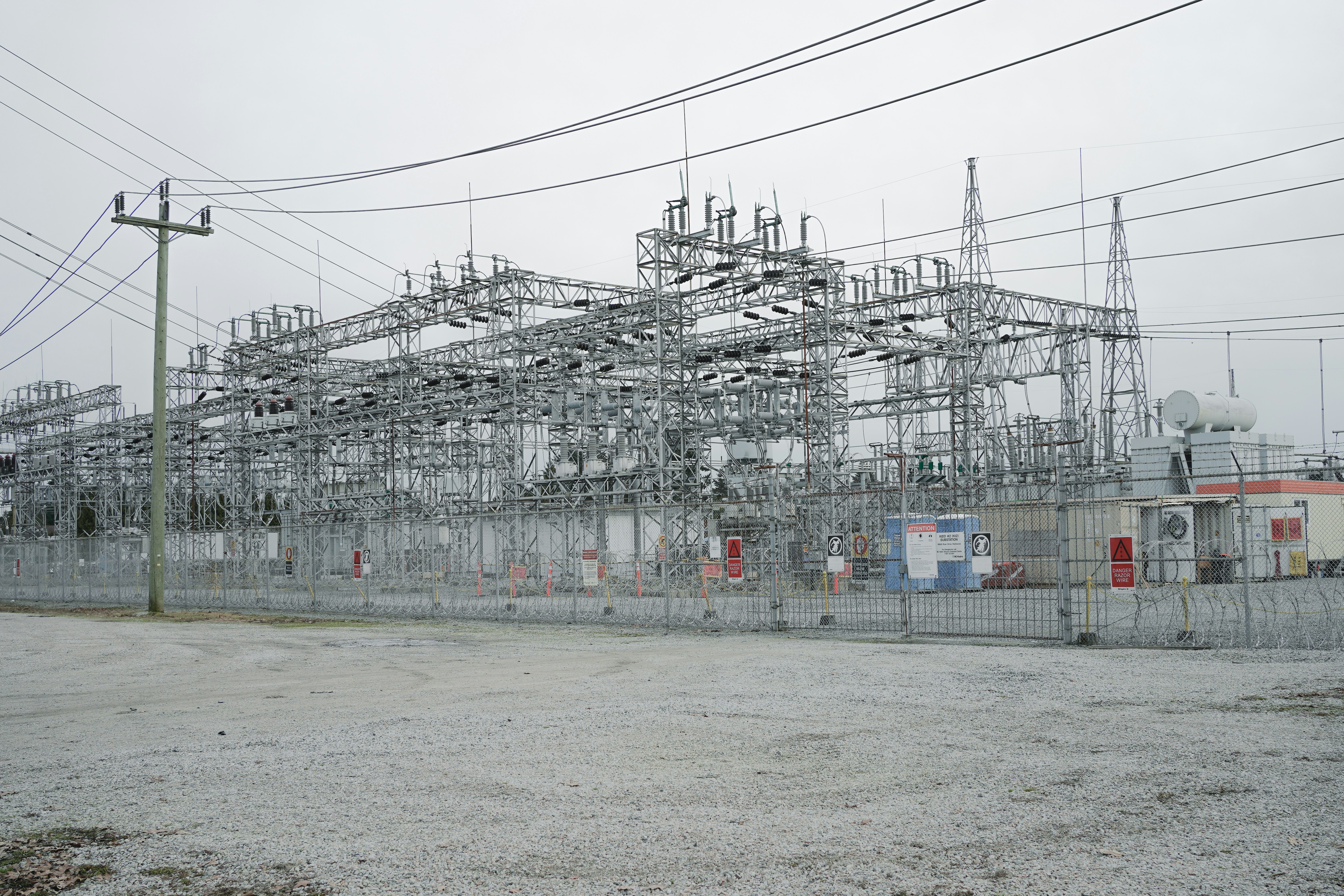
An electrical substation of the kind a 1.2 GW campus requires
Example of substation. Image for illustrative purposes only.

An electrical substation supporting a 1.2 GW hyperscale data center campus typically requires a physical footprint of 650,000 to 1,300,000 square feet (equivalent to 15 to 30 acres). Great background for wedding photos!
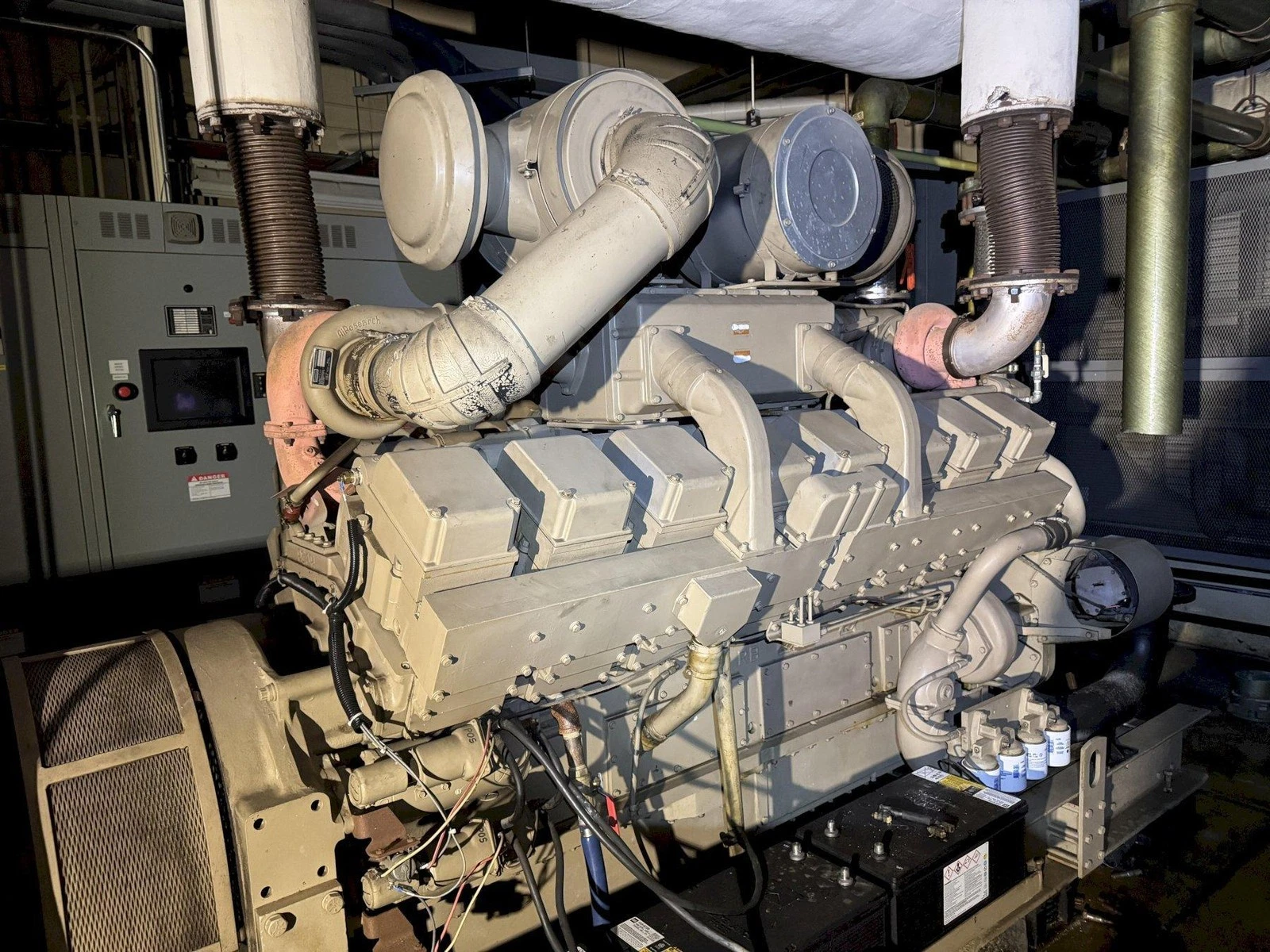
A diesel standby generator unit
Example of diesel generator. Image for illustrative purposes only.

To back up 1.2 GW of capacity requires roughly 468 of these diesel backup generators, and they all have to be tested even if they aren't used regularly. Some people actually like the smell of diesel, so there's that. We'll probably get used to it.
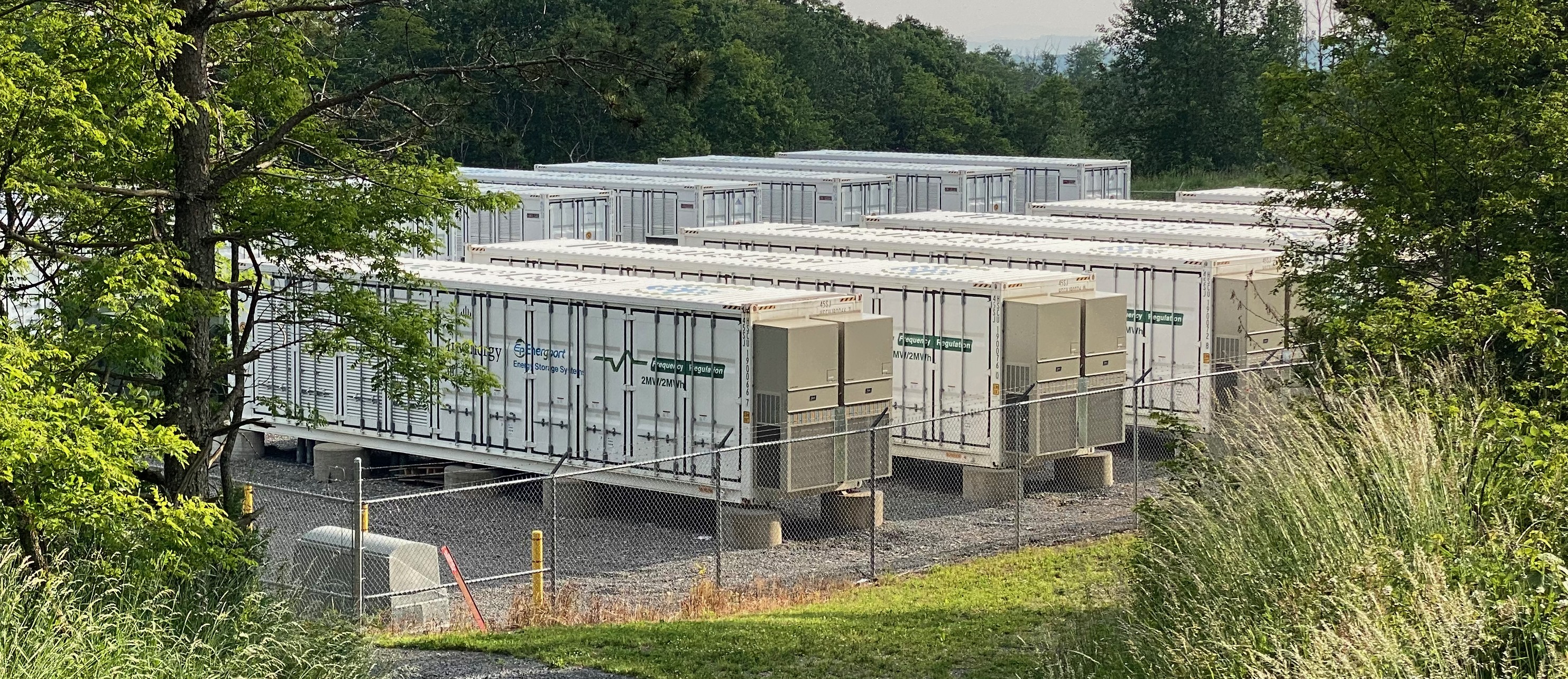
Containerised battery energy storage units
Example of BESS (Battery Energy Storage System). Image for illustrative purposes only.

To back up 1.2 GW of capacity, assuming 4MW batteries like the Vertiv EnergyCore, there will be 30-1200 of these in a Battery Energy Storage System. Typically these are lithium batteries, and lithium batteries have an interesting feature: When they overheat they can burn, causing a condition called thermal runaway in which they create their own oxygen and generally have to be left to burn for as long as it takes for them to burn out. Look up Moss Landing, CA .
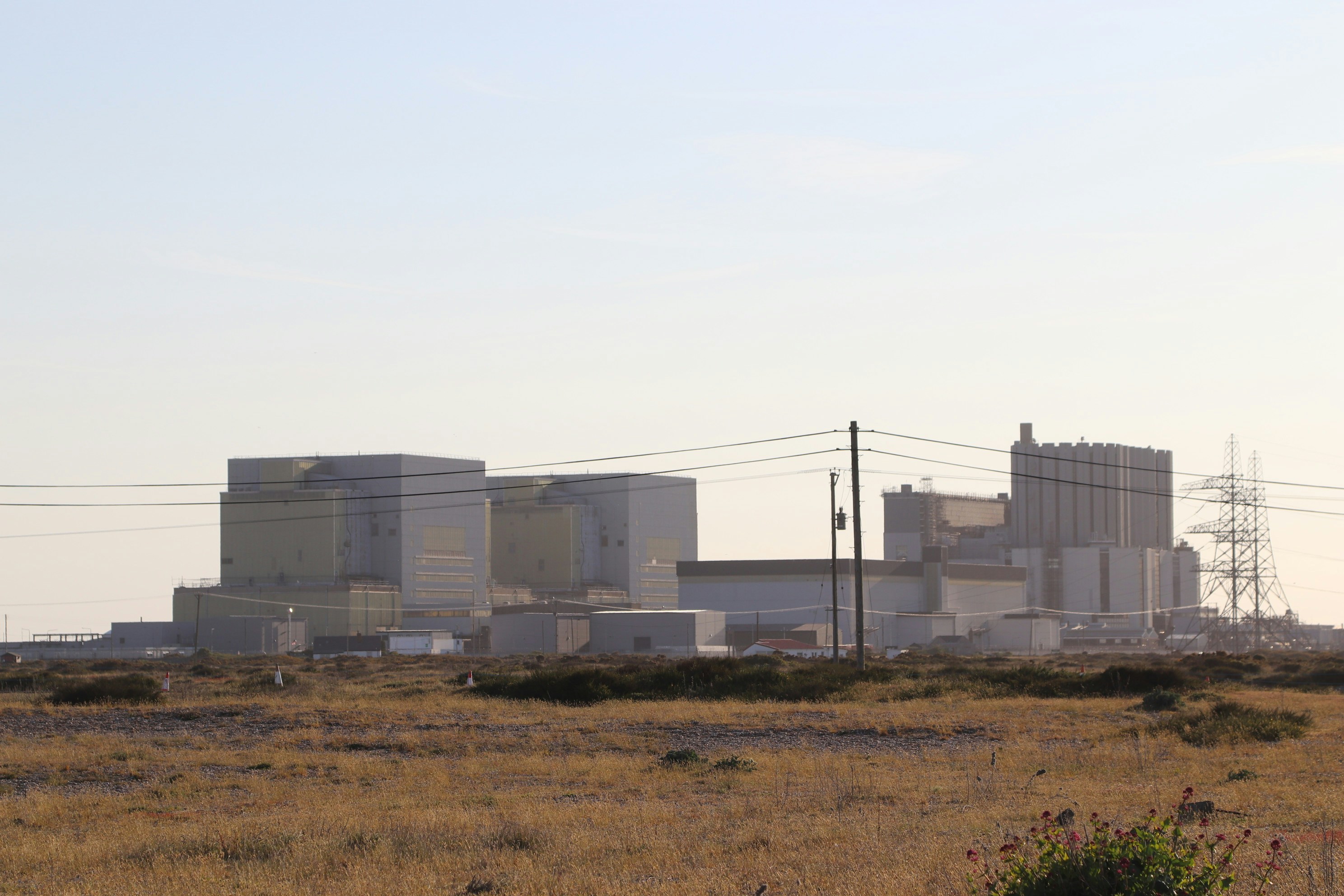
A hyperscale data center campus at scale
Image for illustrative purposes only.

"Up to 1,500" is doing a great deal of work in that sentence.

"Up to" sets a ceiling, not a floor, and one job is enough to clear it. And is that up to 1500 new jobs per year or up to 1500 over the entire project lifetime? Their supporting text describes construction work across a 7–10 year build, which ends when the build ends. Are all of those "up to" 1500 those temporary construction jobs? How many full or part time permanent jobs, at what level, and how many filled by Lake County residents?

Quotations from investingingrayslake.com, archived September 3, 2026.

What our neighbors say

Portrait169 × 169
PlaceholderA quotation from a named Grayslake or Lake County resident who has agreed in writing to be quoted.

Name hereGrayslake resident

Their answers, unedited

Got their answers? Now ask this.

Each grey line is quoted word for word from their FAQ. Each orange line is the question that answer does not settle. We have not shortened or paraphrased anything.

"Will this drain our water?"

T5 says "No. The development's cooling system is filled once, then sealed and reused for decades. According to the Central Lake County Joint Action Water Agency, which supplies Grayslake's drinking water, Cornerstone will use less than 0.25% of its daily water flow."
Ask

This says the cooling system is filled once and then sealed.

  1. Is that a single cooling system loop filled once for the entire campus, or a separate loop for each building?
  2. What is the total fill volume in gallons for all buildings at full build-out, and how many separate fill events happen across the construction period?
  3. How many gallons is "less than 0.25% of [Central Lake County Joint Action Water Agency's] daily water flow" and does that refer to the full build or just Phase 1?
  4. On the hottest day of the year, does this system use any water beyond the sealed loop, and if so, how many gallons?
  5. What additives are used in the loop, and what are the handling and disposal requirements for the spent fluid?
  6. Will the campus use any water besides the municipal supply?
  7. During drought conditions when Grayslake residents are asked to conserve water, is T5 restricted too?

"Will my electric bill go up?"

T5 says "No. We're building our own substation and dedicated distribution infrastructure that is physically separate from the lines that power your home. Under Illinois law, data centers pay their own separate rates. T5 is committed to paying their full share of electric costs."
Ask A separate substation addresses power distribution, not power generation. How many megawatts of capacity obligation will this campus add to the ComEd zone, and who pays for it? What does the campus pay for regional capacity and transmission costs, which are the significant utility costs most likely to be recovered in higher consumer rates? Is "committed to paying their full share" written into any legally binding agreement? Also, does "committed to paying their full share" also apply to T5's customers?

"What about sound?"

T5 says "Independent engineers designed sound protection into every building, so operations will often be quieter than existing traffic on Peterson Road. Project sound levels are regulated by the Illinois Pollution Control Board, which will hold T5 accountable for always complying with their standards."
Ask "Often" is not "always." Has a study been conducted? If so, why are results not publicly available? What are the modelled decibel levels of all frequencies at the nearest homes at night? Do those figures include generator testing and emergency operation? Were infrasound levels measured as well and if so, what levels were considered acceptable?

"Was the community consulted?"

T5 says "Yes. The Village approved the project after an eight-month public review with public hearings, technical studies, and Village Board meetings, all open to residents. We are committed to being a good neighbor and ensuring your voice is heard in important matters."
Ask Open to residents is not the same as known to them. When were hearing notices sent, how were they sent, to whom? How many residents attended? How was a project that the Mayor's own official communications assert represents $18 billion in investment not widely publicized before it was approved? Where are the technical studies, which should have been made available for public review and comment before approval? Why has the Grayslake Village mayor announced that the Village issued a construction permit when technical details are still not publicly available?

"What has T5 done to address community concerns about the impact to wetlands?"

T5 says "T5 has indefinitely suspended its Individual Permit Application for wetland remediation, reflecting our commitment to move forward with community readiness and support."
Ask Suspended is not withdrawn. Was the timing of the application suspension related to the public comment period and possible project delay that the application would have triggered? What would cause the application to resume? Does the current site plan still depend on that permit? What does the campus footprint look like if the permit is never granted?.

Our figures, stated as such

The scale their page never mentions

These are our numbers, not theirs, and we show our work. Calculated from the stated facility rating at 60% utilization and a power usage effectiveness of 1.25. If the real configuration differs, these should be corrected — we would welcome the engineering plans that would allow it.

1.2 GWProposed campus electrical load
6.3 TWhElectricity a year, against 2.3 TWh for all Lake County households
468Standby diesel generators at 3.25 MW each

Ask them yourself on their contact us form. Then come back here and tell us what they said.